
Bamboo as a Cash Crop: Empowering Rural Farmers in Mindanao
Mindanao has long been celebrated as the food basket of the Philippines. Its rich, volcanic soil and tropical climate make it an agricultural powerhouse, producing the majority of the country’s bananas, pineapples, and coconuts. Yet, despite this agricultural wealth, many rural farmers and indigenous communities in the region remain trapped in a cycle of poverty.
Traditional cash crops are heavily dependent on volatile global market prices, expensive chemical fertilizers, and a climate that is becoming increasingly unpredictable. When a typhoon strikes or drought sets in, a farmer’s entire annual income can be wiped out in a matter of days.
But a massive shift is quietly taking root in the highlands of Davao and beyond. Agricultural professionals, NGOs, and permaculture advocates are turning their attention to a towering, resilient alternative: structural bamboo.
Bamboo is no longer just a “poor man’s timber.” It is a highly lucrative, regenerative cash crop. Here is how bamboo is transforming the agricultural landscape of Mindanao and empowering rural farmers to build sustainable, generational wealth.
1. The Permaculture Dream: Regenerative Agriculture
From a permaculture and agronomy perspective, bamboo is a miracle plant.
Traditional farming often depletes the soil, requiring constant tilling and synthetic inputs. Bamboo does the exact opposite. Because it is a grass, it spreads through a complex underground rhizome network. This dense root system acts like a subterranean net, gripping the earth and drastically reducing soil erosion—a critical feature for farmers working on the steep, deforested mountainsides of Mindanao.
Furthermore, bamboo is a pioneer species. It can be planted in degraded, nutrient-poor soil where standard crops fail. As it grows, it drops massive amounts of leaf litter, creating a rich organic mulch that restores the topsoil and retains moisture. It heals the land while it grows, requiring zero pesticides and minimal maintenance once established.
2. The Economics of the Giant Grass
The true empowerment of bamboo lies in its economic timeline.
If a farmer plants a hardwood timber forest (like mahogany or teak) as an investment, they have to wait 20 to 30 years to see a return. That is an impossible timeline for a family struggling to put food on the table today.
Structural bamboo species, such as Guadua or Dendrocalamus asper (commonly known locally as Giant Bamboo), reach structural maturity in just 3 to 5 years.
More importantly, harvesting bamboo does not kill the plant. When a mature pole is cut, the rhizome network is stimulated to send up new shoots. A single, well-managed bamboo clump can yield high-quality, sellable timber every single year for over half a century. It provides a continuous, reliable annual income stream that is highly resistant to extreme weather. If a typhoon blows through, bamboo bends; it rarely breaks.
3. Value Addition: Moving Beyond Raw Materials
Selling raw, green bamboo poles provides a solid income, but the real economic empowerment happens through value addition.
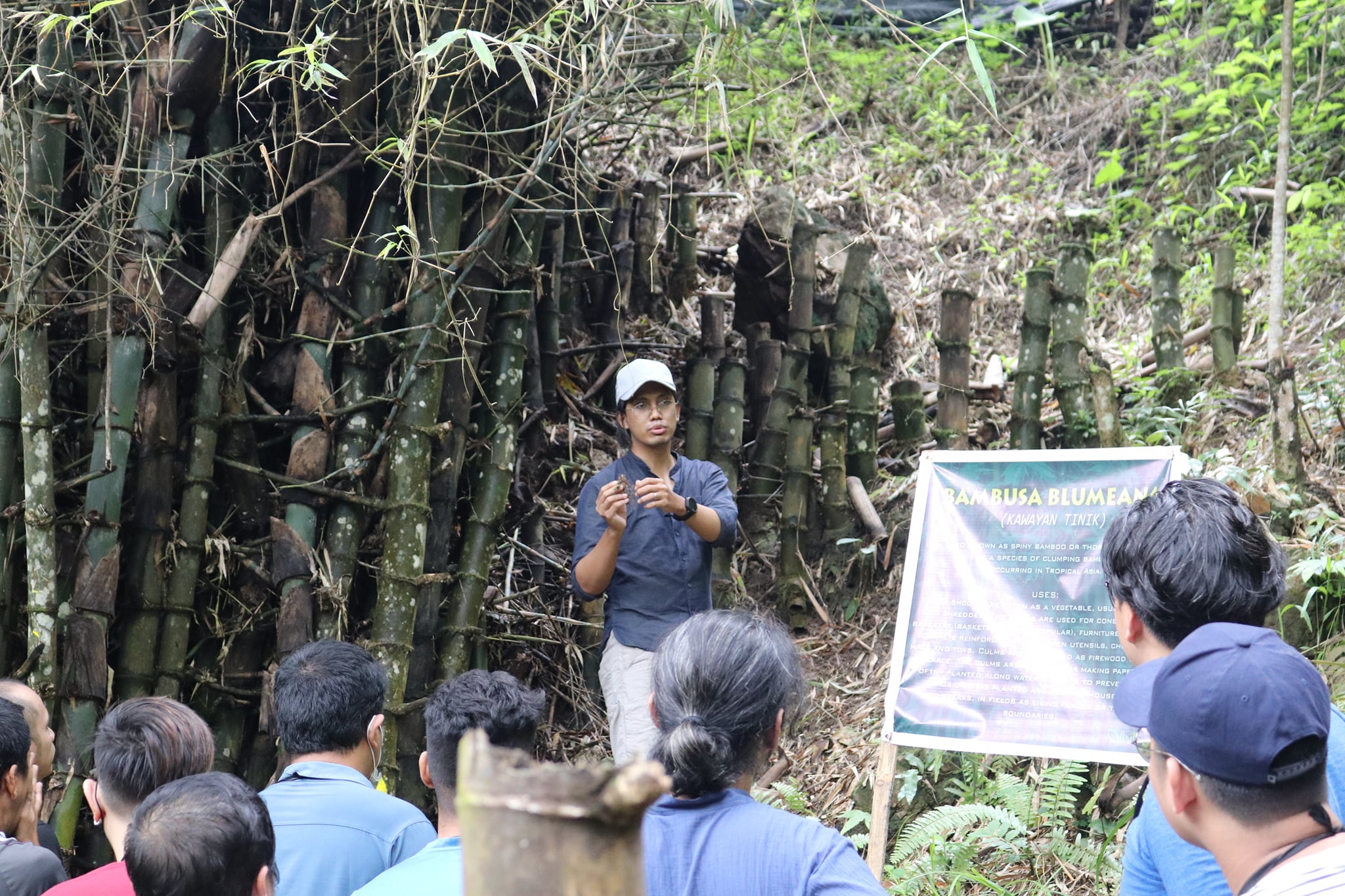
This is where community development programs and educational hubs like Bamboo Bootcamp at Hayag Farm School in Davao City are making a massive impact. It is not enough to simply tell farmers to plant bamboo; they must be taught how to monetize it properly.
Through hands-on training, farmers and indigenous communities are learning the science of post-harvest treatment. An untreated bamboo pole might sell for a few dollars. But a pole that has been properly cured, dried, and treated with borax to guarantee a 50-year lifespan? That pole can be sold at a premium to eco-resort developers, luxury architects, and commercial real estate planners.
By training locals in treatment, Filipino carpentry, and furniture prototyping, programs are keeping the entire supply chain—and the profits—within the local community.
4. The Matigsalug Tribe: Indigenous Leadership in the Bamboo Economy
The success of bamboo as a cash crop is deeply intertwined with indigenous knowledge. In Mindanao, the Matigsalug Tribe possesses centuries of generational expertise in bamboo forestry and construction.
For decades, indigenous knowledge was often marginalized by modern agricultural policies. Today, that narrative is flipping. Programs like Bamboo Bootcamp partner directly with Matigsalug knowledge-holders, placing them at the center of the educational model. They are teaching international architects, gap-year students, and local farmers alike how to harvest by the lunar cycle and craft resilient joinery.
This integration does two things: it provides direct, dignified livelihood opportunities for the tribe, and it positions indigenous communities as the leading experts in the future of global eco-construction.
5. Why NGOs and Community Developers Must Pay Attention
For NGOs, local government units (LGUs), and international development agencies focused on poverty alleviation in Southeast Asia, bamboo is the ultimate leverage point.
Funding a bamboo propagation and treatment facility does not just build a few houses; it creates an entire micro-economy. It provides rural farmers with a regenerative crop, employs locals in the treatment and grading process, and supplies communities with affordable, earthquake-resistant, and typhoon-resilient building materials.
It is the rare intersection where ecological restoration directly fuels economic independence.
The Future is Growing Fast
Bamboo is redefining what it means to build wealth in rural communities. It is shifting the power dynamic, allowing farmers in Mindanao to transition from struggling crop-growers to vital suppliers in the booming global green architecture movement.
Want to see this impact firsthand?
You don’t have to just read about it. If you are an agricultural professional, a permaculture enthusiast, or an ethical traveler wanting to learn these skills directly from the source, read our [Ultimate Guide to Bamboo Building Courses]. Discover how you can join a hands-on immersion program in the Philippines, learn the full bamboo supply chain, and support the communities driving this green revolution.