How to Choose the Right Bamboo Building Course: 10 Questions to Ask Before You Enroll
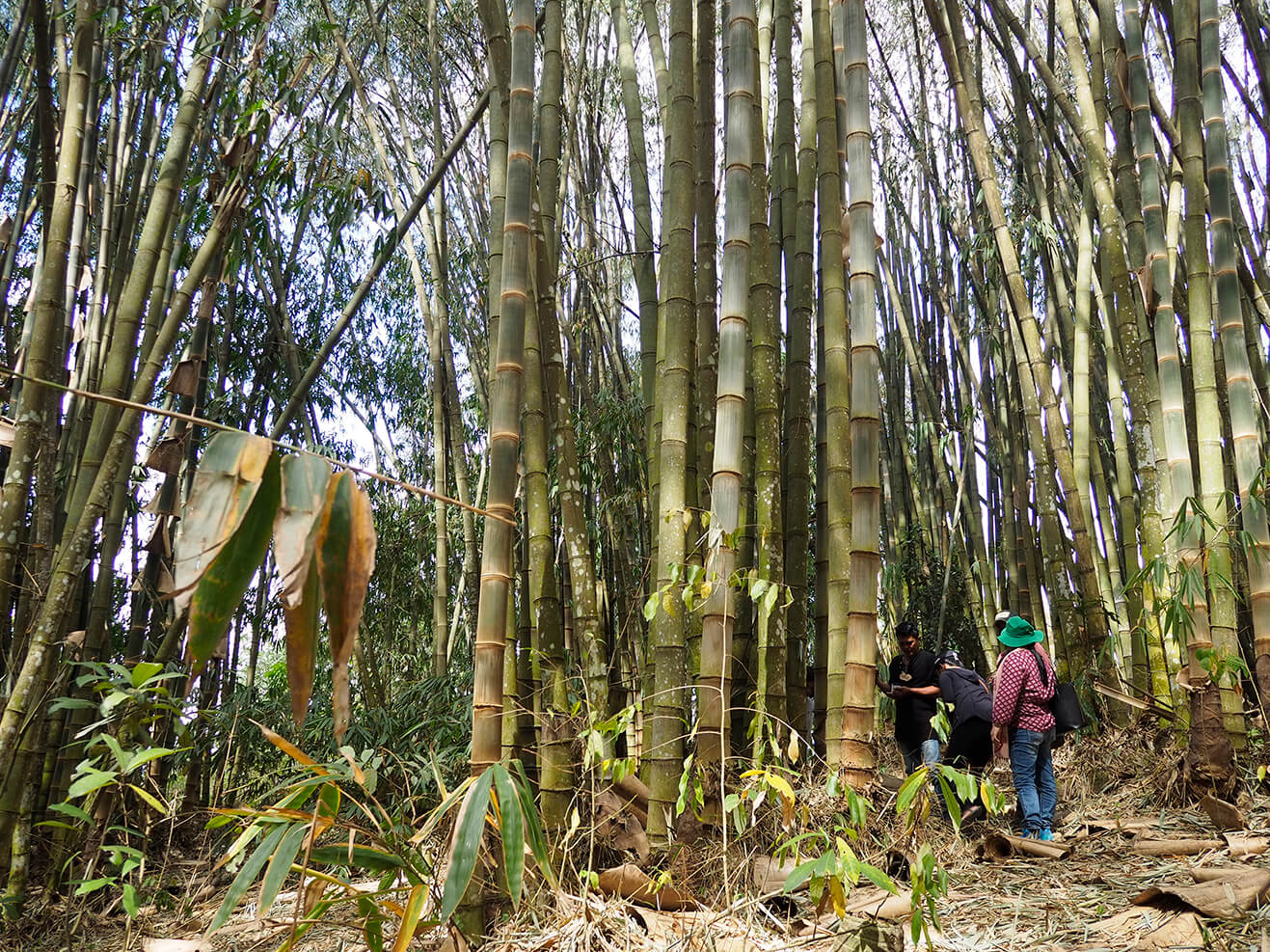
The demand for sustainable architecture is surging, and natural materials are moving from the fringes of eco-design straight into the mainstream. At the forefront of this movement is bamboo. With its rapid growth cycle, incredible tensile strength, and undeniable aesthetic appeal, bamboo is reshaping how we think about the future of construction. Consequently, the demand for specialized bamboo construction training has skyrocketed.
However, as more programs emerge across Southeast Asia, prospective students face a significant challenge: deciding where to invest their time and money. The educational landscape is incredibly diverse. You can find everything from highly academic bamboo architecture courses tailored for elite designers to rugged, site-based workshops focused entirely on grassroots community livelihoods.
Choosing the wrong program can result in thousands of wasted dollars or an educational experience that simply does not align with your professional or personal goals. Whether you are an experienced architect looking to expand your portfolio, a gap-year traveler seeking a meaningful project, or a farmer wanting to build sustainable infrastructure, you must evaluate your options critically.
Before you book your flights, ask yourself these 10 essential questions to ensure you choose the right bamboo building course for your journey in 2026.
What is a bamboo building course?
A bamboo building course is an immersive training program that teaches participants how to design, treat, and construct structures using bamboo. These courses typically range from 10 to 11 days and encompass a mix of theoretical education—like structural engineering and design methodology—and hands-on site work, culminating in the creation of scale models or full-scale standing structures.
1. What do you actually learn? (Curriculum Depth)
The curriculum is the heartbeat of any educational program. You must look past the marketing photos and examine the daily syllabus.
In a prestige program like Bamboo U in Bali, the curriculum is heavily weighted toward design thinking. You will learn about structural engineering principles for bamboo, architectural methodology, and organic design. This program is curated by the IBUKU team, focusing on how to bring bamboo into high-end professional architectural practice.
Conversely, community-rooted programs like Bamboo Bootcamp in the Philippines focus heavily on the entire practical supply chain. Their 5-module curriculum covers everything from bamboo possibilities and traditional uses to post-harvest treatment, scale modeling, and Filipino carpentry. You learn how to dry and preserve bamboo to extend its life beyond 50 years—a crucial skill for anyone wanting to build lasting structures. Understanding what you actually want to walk away with—high-level design theory or start-to-finish supply chain mechanics—is your first filtering step.
2. Is the focus on hands-on building or digital theory? (Hands-On vs. Theory)
There is a massive difference between drawing a bamboo structure on a computer and physically bending a raw pole on a muddy farm site. You need to ask how much time you will actually spend holding a tool.
If you want a bamboo joinery course that gets your hands dirty, look for programs with an intensive, site-based format. Bamboo Bootcamp, for example, structures its 10 days entirely around doing. Students spend the majority of their time on site, learning hands-on carpentry and furniture prototyping before executing an on-site build project.
Other courses might split their time more evenly between the classroom and the build site, incorporating academic lectures, design workshops, and tours of existing architecture. If your goal is to physically learn how to build, ensure the syllabus guarantees significant site time.
3. Do you get a recognized certificate? (Accreditation and Certification)
For professionals using the course for continuing education, or for younger students building a resume, a formal bamboo building certification matters.
Most reputable courses provide documentation of your training. Both Bamboo U and Bamboo Bootcamp issue formal certificates to participants who complete their programs. However, the type of prestige attached to that certificate varies. A certificate from Bamboo U carries weight in international high-design and architectural circles because of its association with IBUKU and Green School Bali. A certificate from Bamboo Bootcamp demonstrates rigorous, hands-on field competence, practical supply chain management, and a deep understanding of indigenous Philippine building methods.
4. How much time can you commit? (Duration and Format)
Time is a major constraint for most adult learners. The standard duration for a comprehensive immersion is roughly a week and a half, but the intensity of that time can vary wildly.
The Bamboo U course in Bali runs for 11 days and follows a demanding full-time schedule, with days beginning at 8am and sometimes running until 8:30pm, with one free day built into the program. It is an exhaustive, deep dive. Bamboo Bootcamp’s Bamboo Building Fundamentals also requires a solid block of time, running for 10 days across its 5 modules.
When choosing your course, you must evaluate not just the number of days, but your physical and mental stamina for back-to-back 12-hour days in a tropical climate.
5. Where is the course located? (Location Context)
Location dictates the entire atmosphere of your learning experience. Do you want to learn in a globally recognized tourist hub, or in a rugged, working agricultural center?
Bamboo U is set on the Kul Kul Farm, located two minutes from the iconic Green School campus in Bali, Indonesia. Bali provides a highly aesthetic, internationally curated context, making it incredibly easy to combine your education with a luxury travel experience.
Alternatively, Bamboo Bootcamp takes place at Hayag Farm School in Brgy Baganihan, Davao City, Philippines. Davao serves as the gateway to a culturally diverse and ecologically rich region in Mindanao. The farm school is a real, working environment where bamboo is an active livelihood material, offering authentic community immersion rather than a polished design studio vibe.
6. What is the true cost? (Cost Comparison)
Cost is often the ultimate deciding factor. When evaluating price, you must look at the all-inclusive value versus the hidden travel costs.
The price gap in the industry is massive. Bamboo U’s 11-day course costs $2,775 USD, which covers workshops, farm-to-table meals, and shared dorm accommodation. However, once international flights and travel insurance are factored in, total trip costs typically exceed $3,500 to $5,000.
For budget-conscious learners, Bamboo Bootcamp is significantly more accessible. The 10-day course costs P45,000 (approximately $780 USD). This fee includes the course, materials, dorm lodging, and five meals/snacks a day. Total trip costs for international students flying into Davao City usually fall between $1,200 and $2,000. That is a potential savings of over $2,000 for a comparable duration of hands-on training.
7. Who is actually teaching you? (Faculty and Instruction)
To learn bamboo building effectively, you need to know who is holding the chalk (or the machete).
At high-end programs like Bamboo U, instruction is led by global design leaders—architects from the IBUKU team, academic lecturers, and master Balinese carpenters. The faculty is heavily design-oriented and connected to the international architecture community.
In grassroots programs, the teachers are often the people who live and breathe the material daily. Bamboo Bootcamp’s instruction relies on trained community builders and knowledge-holders from the Matigsalug Tribe. This provides an incredibly rare integration of indigenous knowledge, teaching students construction approaches that have sustained local communities for centuries.
8. What do alumni go on to do? (Alumni Projects and Outcomes)
The best way to judge a course is to look at what its graduates build afterward.
Programs tailored for architects often see their alumni go on to design stunning, organic pavilions, boutique eco-resorts, and high-end residential projects, leveraging the design network they built during the course.
Courses that welcome a broader demographic yield different results. Alumni from programs like Bamboo Bootcamp often use their skills for direct community livelihood. Graduates include farmers propagating bamboo for income, entrepreneurs launching local workshops, and local government units exploring new sustainable industry opportunities.
9. Is the program integrated with the local community? (Community Integration)
Sustainability is about more than just carbon footprints; it is about social equity and supporting local populations.
If ethical travel is important to you, investigate how the course interacts with its neighbors. Bamboo Bootcamp is explicitly grounded in a community-first philosophy. The program operates in direct partnership with the Matigsalug Tribe and treats bamboo as a working solution for livelihoods rather than just a high-design trend. This ethical, community-rooted approach fulfills multiple UN Sustainable Development Goals and ensures your tuition supports the local ecosystem directly.
10. How do you evaluate the final output? (The Final Build)
Finally, ask what you will actually accomplish by the last day of the course. Both major programs culminate in a real, physical build.
At Bamboo Bootcamp, the 5th module is the on-site build project, which serves as the ultimate culmination of the course. Participants are guaranteed to go from a small scale model to a fully standing structure and a major furniture piece. Ensuring that the course delivers a tangible, physical output is vital for proving to yourself that you have mastered the foundational concepts of bamboo construction training.
Making the Final Decision
Choosing the right course comes down to a brutally honest assessment of your budget, your professional goals, and your desired cultural experience. If you want the world’s leading design program and have the budget for it, head to Bali. If you want practical, hands-on building skills grounded in Filipino indigenous knowledge at a fraction of the cost, head to Davao City.
Frequently Asked Questions
How long does a bamboo building course take?
Most comprehensive, immersive bamboo building courses run for roughly a week and a half. For example, Bamboo U in Bali is an 11-day program, while Bamboo Bootcamp in the Philippines runs for 10 days across 5 core modules.
Is bamboo building a good career?
Yes, it is a rapidly growing field. As global construction shifts toward sustainable materials, professionals trained in bamboo architecture and carpentry are in high demand. Programs attract architects, engineers, sustainability consultants, and entrepreneurs who are building lucrative careers in eco-resort design, sustainable agriculture, and green consulting.
What tools are used in these workshops?
Students typically use a mix of modern and traditional tools. In the Philippines, participants receive hands-on training in specific Filipino carpentry methods, utilizing local hand tools, saws, chisels, and specialized equipment designed for unique bamboo joinery.
What is the difference between Bamboo U and Bamboo Bootcamp?
Bamboo U is an 11-day design and construction course in Bali ($2,775 USD) focused on global design-led bamboo architecture in partnership with IBUKU. Bamboo Bootcamp is a 10-day hands-on course in Davao City, Philippines (P45,000 / ~$780 USD) rooted in practical building skills and indigenous knowledge from the Matigsalug Tribe.
Is Bamboo U worth the premium price?
Bamboo U is worth the $2,775 USD price tag for architects, designers, and sustainability professionals who specifically want training directly from the prestigious IBUKU team and desire access to the globally recognized Green School ecosystem.
What is the most affordable bamboo building course in Asia?
Bamboo Bootcamp is widely considered one of the most affordable comprehensive courses in the region. At P45,000 (roughly $780 USD), it offers an all-inclusive 10-day hands-on curriculum, making it an exceptional value compared to higher-priced regional alternatives.
Can absolute beginners attend a bamboo architecture course?
Yes. While some courses skew toward design professionals, programs like Bamboo Bootcamp are explicitly open to anyone with an interest in sustainability. No prior experience is required, and the course is built to take absolute beginners from zero knowledge to a standing structure.
What exactly are the 5 modules of Bamboo Bootcamp?
The 5 modules cover: (1) Bamboo possibilities and traditional uses, (2) post-harvest treatment and preservation, (3) scaled structural modeling, (4) carpentry and furniture prototyping, and (5) an on-site build project.
Where is Bamboo Bootcamp located?
The course is held at Hayag Farm School, which is located in Brgy Baganihan, Davao City, Mindanao, Philippines.
What is the total cost of Bamboo Bootcamp?
The all-inclusive fee for the Bamboo Building Fundamentals course is P45,000 (approximately $780 USD). This covers tuition, all materials, basic dorm accommodation, and three meals plus two snacks per day.
How much does Bamboo U cost in 2026?
The Bamboo U 11-day course is priced at $2,775 USD. This includes workshops, farm-to-table meals, and shared accommodation, though international flights and travel insurance are separate costs.
What is the Matigsalug Tribe's role in the Philippine course?
The Matigsalug Tribe is an indigenous community in Mindanao with generational expertise in using bamboo. Bamboo Bootcamp operates within a community connected to this knowledge, allowing students to learn authentic Filipino construction techniques directly from community-rooted knowledge-holders.
Do these programs issue a bamboo building certification?
Yes. Participants who complete the full programs at both Bamboo U and Bamboo Bootcamp receive formal certificates of completion, which recognize their practical training and hours spent mastering the material.
Which bamboo course is better for licensed architects?
Architects seeking international prestige, design-level training, and the IBUKU methodology will find Bamboo U to be the stronger choice. However, architects who want highly practical, hands-on Philippine bamboo construction experience at a fraction of the cost will find immense professional value in Bamboo Bootcamp.
Does the curriculum cover bamboo treatment and longevity?
Yes. To ensure structures last over 50 years, programs dedicate significant time to preservation. Bamboo Bootcamp’s Module 2 specifically covers post-harvest treatment, different treatment methods, drying, and preservation techniques.