The True Cost of a Bamboo Architecture Course: Are Luxury Programs Worth It?
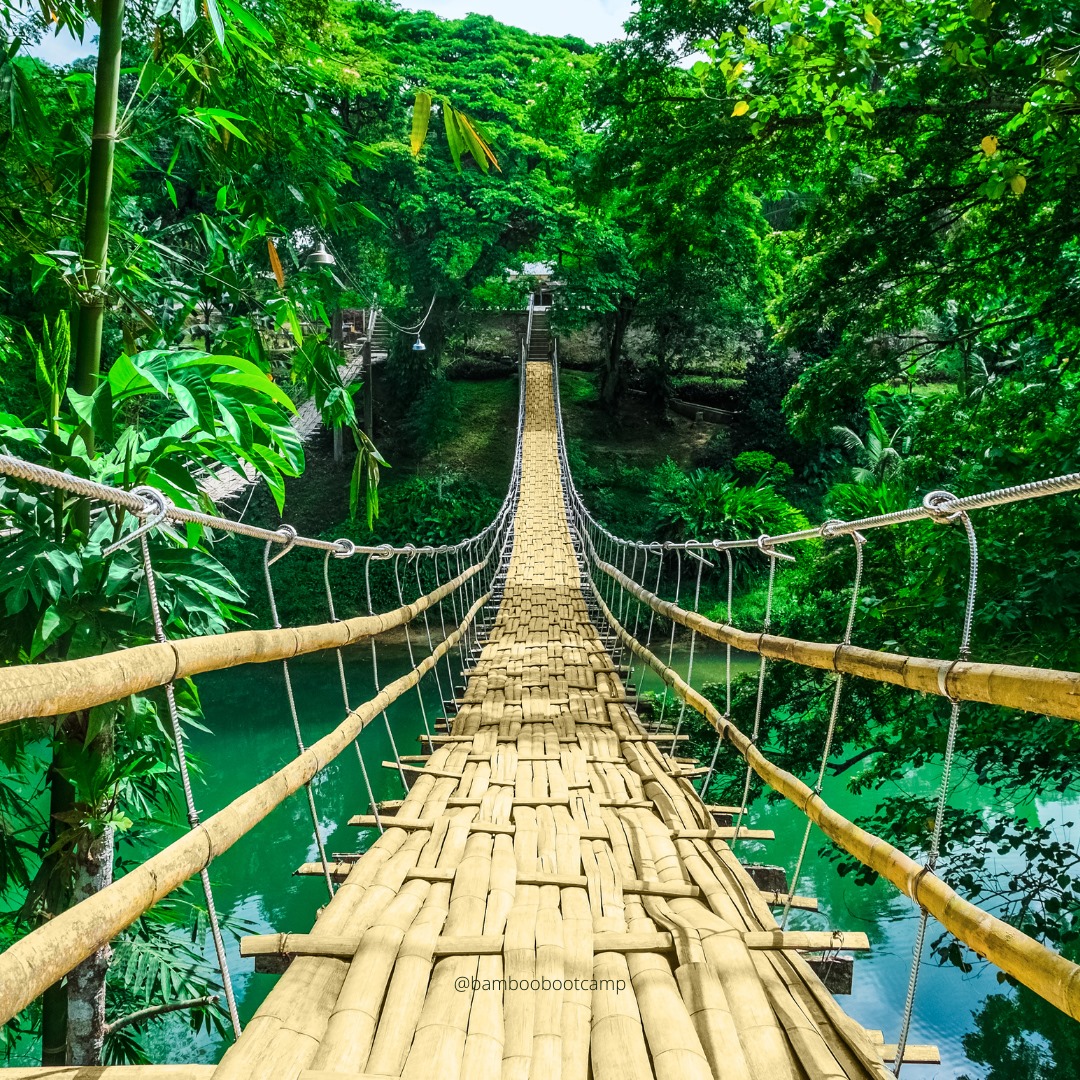
If you are a gap-year traveler, a permaculture enthusiast, or an aspiring builder mapping out a trip to Southeast Asia, learning to build with bamboo is likely high on your bucket list. The idea of traveling to a tropical climate to learn sustainable, off-grid construction is incredibly appealing.
But then, you start doing the financial research.
When searching for a bamboo architecture course, you will quickly encounter programs boasting world-renowned architects, gourmet farm-to-table meals, and stunning luxury eco-resort settings. You will also encounter their price tags—often hovering around $3,000 USD just for the tuition.
For a budget-conscious learner or a gap-year student trying to stretch their travel funds across several months, that number is a massive roadblock. It begs the question: What is the true cost of a bamboo architecture course, and are these luxury programs actually worth the investment?
Here is a transparent breakdown of what you are really paying for, the hidden travel costs nobody mentions, and how to find high-quality, affordable alternatives that won’t drain your travel fund.
The Luxury Tier: What Are You Actually Buying?
To understand the market, we have to look at the gold standard of luxury bamboo education: programs like Bamboo U in Bali, Indonesia.
Currently, an 11-day immersion at a premium design-led program costs approximately $2,775 USD.
When you pay nearly three thousand dollars for a week and a half of education, it is important to understand where that money goes. You are not just paying for bamboo poles and tool usage. You are paying for:
- Prestige and Branding: These programs are often run in partnership with globally recognized design firms (like IBUKU) and adjacent to famous institutions (like Green School Bali). You are paying for the brand name on your certificate.
- The Faculty: You are being taught by international architects, highly paid design consultants, and elite master carpenters.
- The Aesthetics: The environment is highly curated. You are learning in stunning, Instagram-ready pavilions and eating premium, catered organic meals.
- The Network: You are paying to be in a room with wealthy developers, established international architects, and investors.
The Verdict on Luxury: If you are a licensed architect whose firm is paying for your continuing education, or a luxury real estate developer looking to network with high-end designers, this premium price tag makes sense. It is a networking event and a masterclass rolled into one.
But if you are a gap-year student, a farmer, or someone who just wants to learn how to physically build a sustainable house, you are paying a massive premium for a network you do not necessarily need.
The Hidden Costs of the Luxury Experience
The tuition fee is only the beginning. When budgeting for a bamboo course, you must calculate the true landed cost.
If you choose a luxury program in a highly developed tourist hub like Bali, you must factor in:
- Flights: Getting to major tourist hubs during peak dry season is expensive.
- Pre- and Post-Course Accommodation: You will likely arrive a few days early and stay a few days after. In luxury eco-hubs, basic accommodation and food prices are heavily inflated for tourists.
- Transport: Navigating expensive tourist zones adds up quickly.
When you add international flights, travel insurance, and extended stays to a $2,775 tuition fee, a luxury bamboo course easily becomes a $4,000 to $5,000+ investment. For a backpacker or budget-conscious learner, this can easily equate to three full months of travel expenses wiped out in 11 days.
The Accessible Alternative: Grassroots & Community Programs
Fortunately, the luxury tier is not the only way to learn. A quiet revolution is happening in places like the Philippines, where organizations are stripping away the “high-society” aesthetics and focusing purely on grassroots, community-level construction.
The leading example of this is Bamboo Bootcamp, located at Hayag Farm School in Davao City, Mindanao.
Bamboo Bootcamp’s 10-day Bamboo Building Fundamentals course is priced at P45,000 (approximately $780 USD).
This is not a “lite” version of a course. It is an intensive, 5-module program that teaches the exact same foundational mechanics—post-harvest treatment, scale modeling, Filipino carpentry, and a full-scale on-site build. So, why is it $2,000 cheaper?
- Community, Not Consultants: Instead of flying in expensive international architects, the course relies on trained community builders and knowledge-holders from the local Matigsalug Tribe. You are learning indigenous, generationally proven methods directly from the source.
- Working Farm vs. Luxury Resort: You are staying in basic, clean dormitories on a real working farm, not a luxury eco-resort.
- Focus on Livelihood: The program is designed to be accessible to local farmers, craftsmen, and average people looking to use bamboo for livelihood, keeping the price ethical and grounded.
When you factor in cheaper flights to the Philippines and the lower cost of living, a student can easily complete this 10-day, all-inclusive course (with tuition, dorms, and 5 meals a day included) for a total trip cost of $1,200 to $1,800.
Are Luxury Programs Worth It? (The Final Takeaway)
The answer depends entirely on your intent.
Yes, they are worth it if: You are a professional architect, a boutique hotel developer, or an interior designer seeking to attach a prestigious brand to your portfolio. If your goal is to design luxury, multi-million dollar biophilic event spaces and you need to network with the elite of the eco-design world, pay the $3,000.
No, they are not worth it if: You are a gap-year traveler, an off-grid enthusiast, a permaculture student, or a budget-conscious learner. If your primary goal is to get your hands dirty, learn how to treat bamboo so it doesn’t rot, master traditional joinery, and physically build a structure, you do not need a luxury program.
Programs like Bamboo Bootcamp offer an incredibly high-value, ethical, and practical alternative. By choosing a community-rooted program, you save thousands of dollars, support indigenous livelihood initiatives directly, and walk away with the exact same tangible construction skills.
Sustainability should not be gatekept by luxury price tags. If you want to build, there is an affordable path waiting for you.
Ready to dive deeper into your options?
If you are currently mapping out your 2026 travel and education budget, make sure you are choosing the right program for your specific goals. Read our comprehensive [Ultimate Guide to Bamboo Building Courses] for a complete breakdown of curriculums, locations, and what to expect on site!